

Chinese New Year 2027 Sourcing Guide: Avoid Delays and Protect Your Q1 Promotional Campaigns
Posted in :

Chinese New Year 2027 is approaching, and promotional product distributors planning February, March or April campaigns should start reviewing their sourcing schedules now.
Factory closures, limited production capacity and changing freight schedules can affect custom merchandise orders well before the holiday begins. Planning ahead gives you more flexibility with product selection, customization and shipping costs.
The challenge isn’t simply that factories in China take a holiday. Production capacity can become limited before the break, material suppliers may stop accepting orders earlier, and shipping schedules can become more difficult to coordinate.
For custom promotional merchandise, one late artwork approval or missing component could mean waiting until factories resume production.
If your clients have events in February, March or April, planning now could give you more product choices, more shipping flexibility and fewer last-minute surprises.
Quick Takeaway: What Buyers Need to Know
Chinese New Year 2027 falls on February 6. EV-PROMO’s planned holiday period is February 1–20, 2027.
For promotional product distributors:
- November–December 2026: A good period to confirm products, quantities, artwork and sampling requirements.
- Early January 2027: Some standard products may still fit into pre-holiday production schedules, depending on capacity and customization.
- Late January 2027: Production and shipping options may become increasingly limited.
- February 2027: Factory closures and staggered reopening schedules can affect production.
- March–April 2027 events: Check whether pre-holiday production or post-holiday manufacturing offers a more realistic delivery plan.
The most important deadline is not Chinese New Year itself. It’s the last date your specific order can complete production, inspection and shipment before the holiday.
When Is Chinese New Year 2027, and When Do Factories Close?
Chinese New Year, also known as the Spring Festival, falls on Saturday, February 6, 2027.
However, there is no single Chinese New Year factory closure date that applies to every manufacturer.
Some factories begin reducing production in late January as workers travel home. Material suppliers, printing facilities and packaging providers may follow different schedules.
After the holiday, production may also resume gradually rather than returning to full capacity immediately.
EV-PROMO’s planned holiday period is:
February 1–20, 2027
This is our own planned holiday schedule. Individual factories, freight forwarders and customs-related services may operate on different dates.
For buyers researching Chinese New Year factory closures in 2027, the safest approach is to confirm the actual schedule for each product rather than relying on a general holiday announcement.
Chinese New Year 2027 Promotional Products Ordering Timeline
The following timeline is a practical planning framework for custom promotional products sourced from China.
It is not a universal production or shipping cut-off schedule.
| Period | Recommended Action | Planning Status |
|---|---|---|
| November–December 2026 | Select products, confirm quantities, prepare artwork and arrange samples | Best planning window — greater flexibility |
| Early January 2027 | Confirm remaining pre-holiday production capacity, artwork approval and payment arrangements | Increasing urgency — availability must be checked |
| Mid–Late January 2027 | Review production completion, inspection and available shipping departures | Higher risk — some suppliers may already be winding down |
| February 1–20, 2027 | EV-PROMO’s planned holiday period | Holiday disruption — supplier schedules vary |
| Late February–March 2027 | Confirm factory reopening, backlog and revised production schedules | Recovery period — lead times may vary |
The Artwork and Sample Approval Deadline
One of the most overlooked parts of pre-holiday purchasing is the artwork approval deadline.
A product may have a quoted production time of 15–20 days, but that timeline may begin only after the final design, specifications and required samples have been approved.
If a buyer changes the logo size, Pantone color, packaging or product dimensions, the schedule may need to be reviewed.
For complex projects, aim to finalize artwork and sampling during December whenever practical.
However, December 20 is not a universal approval deadline. The actual last approval date depends on the manufacturer, product and production slot.
Before placing an order, ask:
What is the latest date we can approve everything and still realistically ship before Chinese New Year?
That question is more useful than asking only how many days production takes.
Why Chinese New Year Can Disrupt Custom Promo Merchandise Lead Times
Custom promotional products often depend on several production stages.
A tote bag may require fabric preparation, cutting, sewing, printing and packing.
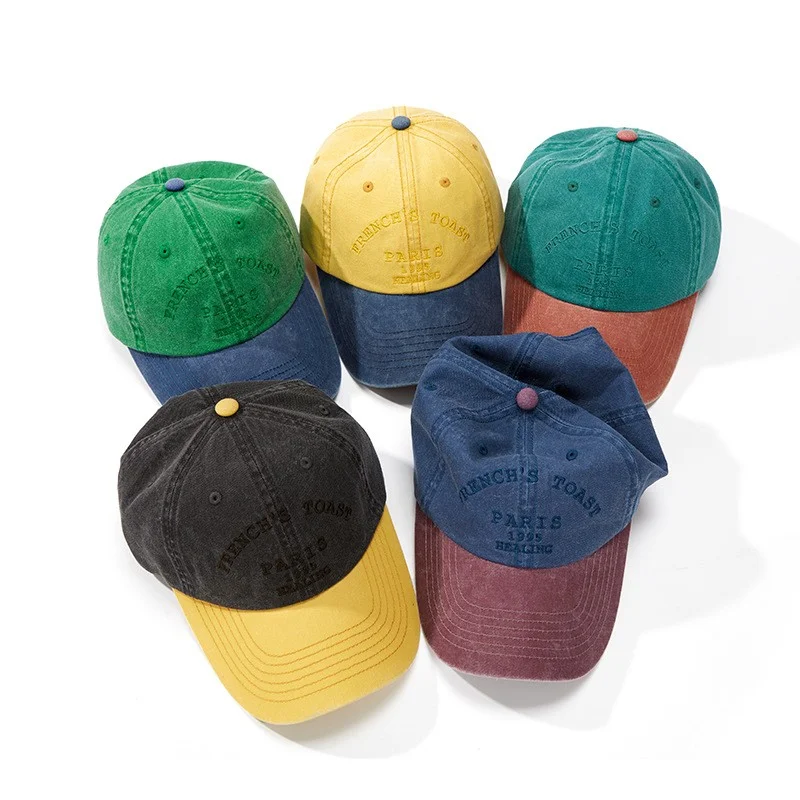
An embroidered cap may need embroidery file preparation, thread selection and production approval.
A custom metal pin may involve tooling, metal processing, coloring and finishing.
These processes do not necessarily happen in the same facility.
1. Factory Capacity Fills Up
As the holiday approaches, factories may prioritize orders that have already been confirmed.
Even if a product normally takes two weeks to manufacture, it doesn’t mean an additional order can automatically fit into the remaining schedule.
2. Sub-Suppliers May Close Earlier
A manufacturer may still be operating while its packaging supplier or component producer has already stopped accepting new work.
This can affect gift boxes, zippers, metal fittings, electronic components and special printing materials.
3. Customization Changes Can Reset the Schedule
A late artwork revision may require another proof, sample or production adjustment.
For products involving tooling, embroidery or multiple printing positions, these changes can have a greater effect.
4. Shipping Cut-Offs Are Separate From Production Deadlines
Completing production on January 28 doesn’t necessarily mean the goods can leave China on January 29.
Cargo collection, warehouse receiving, carrier schedules, customs formalities and freight availability all need to be considered.
For the China sourcing holiday rush, buyers should confirm both the production completion date and the expected shipment departure date.
Which Promotional Products Need Earlier Planning for Chinese New Year 2027?
Not every promotional product requires the same preparation time.
The following categories deserve particular attention before the Spring Festival.
Custom Tote Bags and Shopping Bags
Custom bags may involve fabric sourcing, cutting, sewing, printing and inspection.
Special dimensions, unusual fabrics or multiple logo positions can increase production complexity.
For large quantities, confirming materials and artwork early is particularly helpful.

Embroidered Caps and Beanies
Embroidery requires artwork preparation and careful placement.
Small lettering, fine details and complex designs may need adjustment before production.
Confirm the cap style, available colors, embroidery size and quantity before reserving production.
Custom Enamel Pins and Metal Accessories
Custom metal pins, badges and keychains may require tooling and several finishing stages.
The production schedule depends on the design, dimensions, metal finish and decoration method.
If the artwork is still changing, allow extra time for approvals.

Custom Plush Toys and Mascots
Custom plush merchandise may involve pattern development, prototype production, material selection and bulk manufacturing.
If the product is intended for children, relevant safety and testing requirements may also affect the schedule.
For events in early 2027, these projects are worth discussing well before the holiday.

Multi-Product Gift Sets
A gift set may contain products sourced from several different manufacturers.
For example, a branded notebook, pen, tote bag and presentation box may each have different production timelines.
The final assembly cannot necessarily begin until all components are ready.
For multi-product orders, coordinating the longest-lead-time item is often more important than focusing on the fastest one.

Practical Sourcing Scenario: Three Products for One March Event
Imagine a promotional product distributor preparing merchandise for a March 2027 event.
The project includes:
| Product | Quantity | Main Production Consideration |
|---|---|---|
| Embroidered caps | 1,000 pcs | Embroidery preparation and garment availability |
| Custom tote bags | 2,000 pcs | Fabric, sewing and printing |
| Custom enamel pins | 500 pcs | Tooling and metal finishing |
All three products are needed for the same event, but they may not be ready at the same time.
If the buyer confirms everything in late January, the entire shipment could be delayed by whichever product has the longest remaining production schedule.
A More Flexible Approach
Step 1 — Confirm the fixed event delivery date.
Work backward from the date the merchandise must be physically available, not simply the event’s opening date.
Step 2 — Review each product separately.
Check materials, artwork readiness, production capacity and supplier holiday schedules.
Step 3 — Prioritize the longest-lead-time product.
For example, if the enamel pins require tooling and sampling, that process may need to start earlier than the caps or bags.
Step 4 — Consider split shipping.
If some items are ready before the holiday, shipping those products separately may reduce the risk of the entire order waiting for one unfinished item.
Step 5 — Compare costs before deciding.
Separate shipments may protect the event schedule but can increase freight and handling costs.
This is an illustrative sourcing scenario, not a completed EV-PROMO customer case study. The right solution depends on the actual order and delivery requirements.
Sea Freight, Air Freight or Split Shipping?
Choosing the right shipping method can make a significant difference to both the budget and the delivery schedule.
Sea Freight: Better for Larger, Planned Orders
Sea freight can be more economical for larger promotional merchandise orders.
For some routes, buyers may need to allow around 30–40 days or longer for transportation-related planning. A 40–45-day allowance may provide more flexibility for certain shipments.
These are broad estimates, not guaranteed door-to-door delivery times.
Actual schedules depend on the destination, sailing availability, customs clearance, inland delivery and shipping terms.
Air Freight: Useful for Time-Sensitive Orders
Air freight can be suitable for smaller or urgent shipments.
However, higher freight costs, carrier capacity, customs procedures and product restrictions still need to be considered.
Air freight also cannot recover time lost before production is completed.
Split Shipping: Protect the Deadline Without Flying Everything
For some projects, sending a limited quantity by air and the remaining stock by sea can be worth comparing.
For example, a distributor may need 300 items for the first event but can accept the remaining 1,700 units later.
Rather than automatically using air freight for the full quantity, a split-shipping quotation may offer a better balance.
Confirm what is included in each quotation and which party is responsible for freight, import clearance and delivery.
The International Chamber of Commerce’s Incoterms® rules provide useful background on buyer and seller responsibilities.
What If You Miss the Pre-Holiday Production Window?
If the original deadline is no longer realistic, there may still be alternatives.
Choose standard product colors and materials. Existing options may require less preparation than fully custom designs.
Simplify decoration. A single-position printed logo may be more practical than multiple decoration methods or complex packaging.
Review partial delivery options. Some merchandise may be needed for the first event, while the remaining stock can arrive later.
Consider post-holiday production. If the event date allows it, scheduling production after factories reopen may be more realistic than forcing a rushed order.
Ask for alternative products. A different material, construction or decoration method may provide a more workable schedule.
None of these options guarantees delivery. Each should be checked against actual production capacity and shipping availability.
Chinese New Year 2027 Promotional Products Checklist
Use this checklist before confirming your next Q1 merchandise order.
Product and Artwork
- Confirm the event date and required delivery date.
- Finalize the product list, quantities, colors and dimensions.
- Prepare vector artwork where available, such as AI, EPS or PDF files.
- Confirm Pantone references and decoration positions where applicable.
- Approve digital proofs or physical samples as required.
Production and Timeline
- Confirm production lead times for each product.
- Ask about factory and sub-supplier holiday schedules.
- Confirm the latest feasible artwork approval date.
- Obtain written confirmation of the planned production completion and dispatch schedule.
- Allow time for inspection, packing and unexpected delays.
Logistics and Risk Management
- Compare sea freight, air freight and split-shipping options.
- Confirm the shipping terms and delivery responsibilities.
- Check customs clearance and destination delivery arrangements.
- Confirm the receiving address and any warehouse or event delivery restrictions.
- Prepare an alternative plan if pre-holiday production becomes unavailable.
For a more accurate quotation, our Promotional Products Quote Request Guide explains which details are useful to prepare before contacting a supplier.
Final Thoughts: Protect Your Q1 Campaigns Before the Holiday Rush
Chinese New Year happens every year, but the effect on promotional merchandise orders can still catch buyers by surprise.
The real challenge isn’t just the holiday itself.
It’s coordinating artwork, materials, production, inspection and shipping around a period when available capacity may be reduced.
For distributors managing multiple products and fixed campaign dates, earlier planning creates more room to compare options and make practical decisions.
It may also help avoid unnecessary rush shipping costs.
Don’t Let Chinese New Year Delay Your Q1 Promotional Campaign
Planning merchandise for a February, March or April 2027 event?
EV-PROMO can help you review your product requirements, customization options and potential production and shipping schedules.
Send us your:
- Product list and estimated quantities
- Artwork or customization requirements
- Delivery country or postcode
- Required delivery date
We’ll review the details and help you explore feasible options, including alternative products or split shipping where appropriate.
Request a Free Pre-CNY Timeline Review & Quote
The timeline review is an initial assessment, not a guaranteed production slot or delivery commitment. Final schedules depend on supplier confirmation and shipping availability.